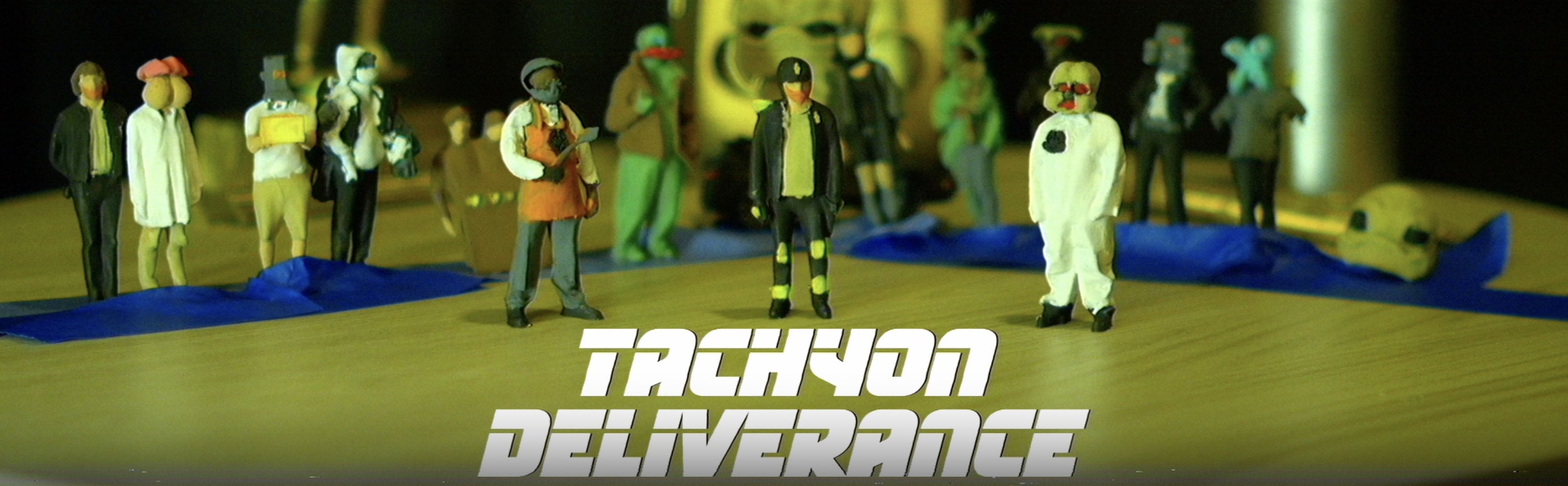
In the spirit of merchandising, I created a set of custom action figures to thank every one of our cast members. The process I used to make them leans heavily on free tools, some AI slop, and a bit of DIY stuff. If you're interested in making your own 3D figures (whether for gifts, films, or just for fun), here’s a breakdown of how I pulled it off.
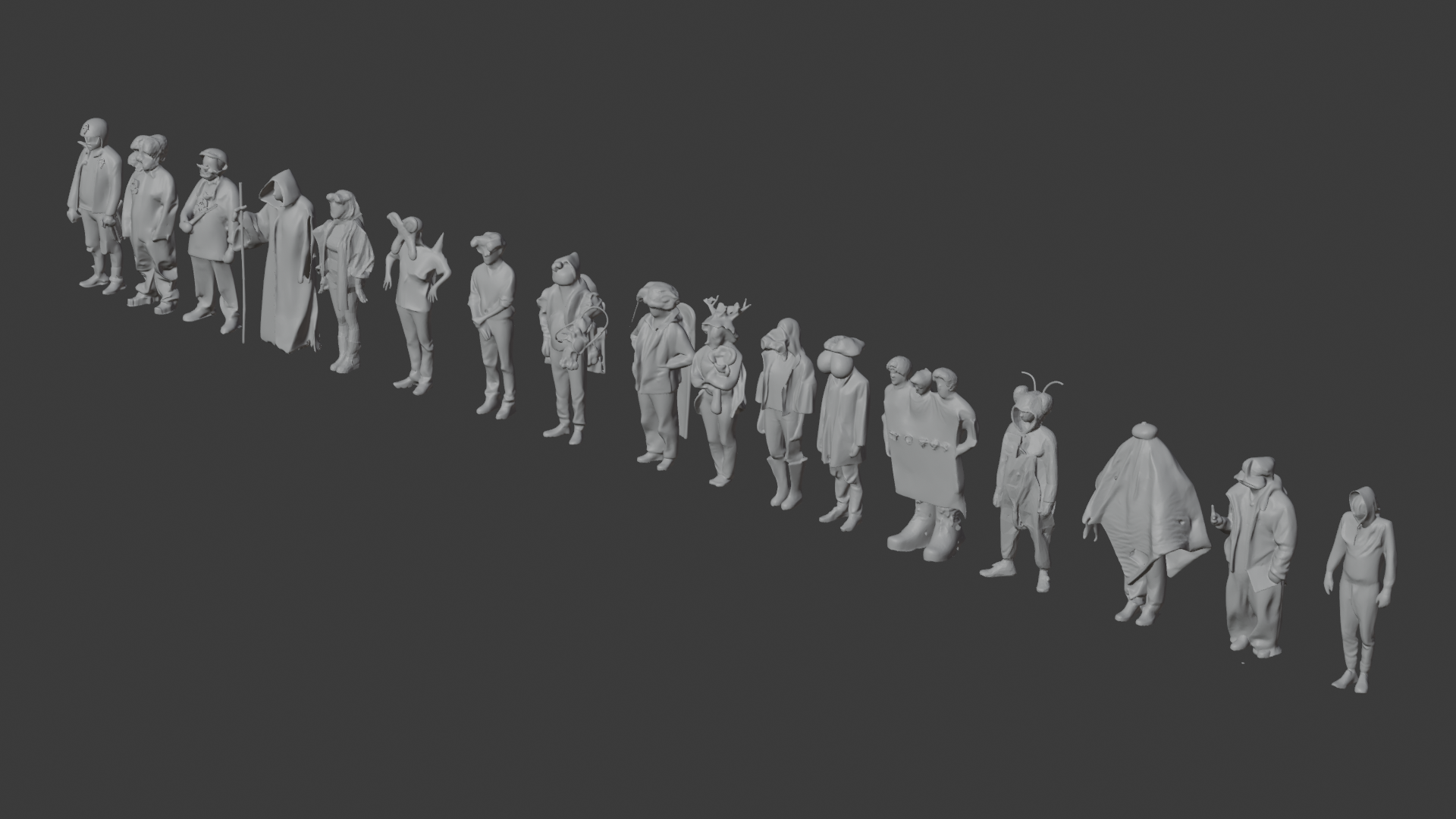
On shoot day, I had club historians take front-facing photos of each cast member in a neutral pose. These images are the foundation of everything that follows, so good lighting, an empty background, and clarity help.
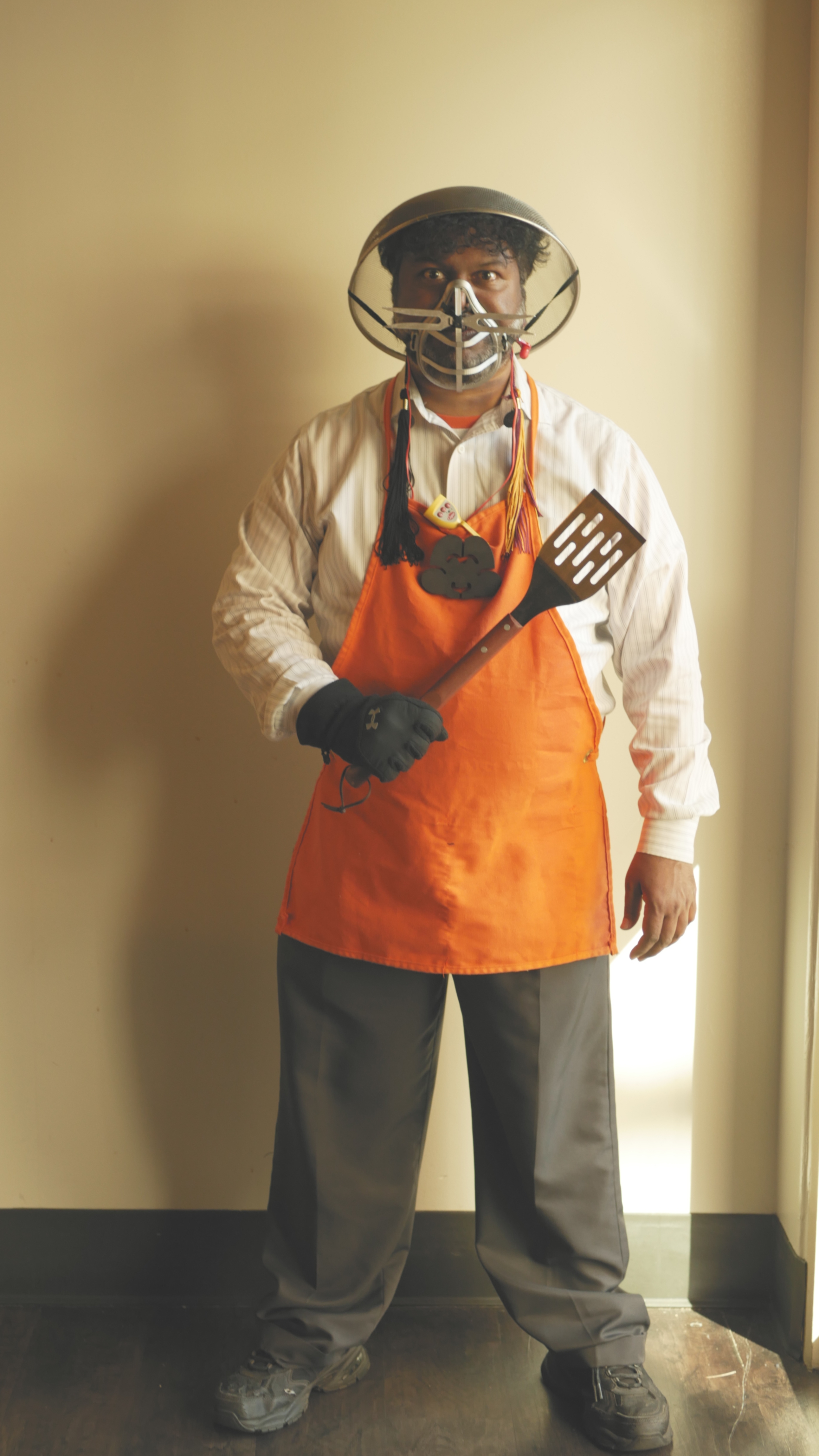
Next, I used an AI model that can generate 3D meshes from a single photo. My model of choice was Hunyuan3D with a local ComfyUI workflow, but if you do not have a powerful GPU there are free tools available for free on Hugging Face:
Trellis 2D-to-3D Model Generator
You can create around 5 models per day with the free plan. For higher-quality models, you might consider paid services like Meshy or more recent models like Huanyan 3D, which tend to offer cleaner and more detailed outputs.
Once I had the GLB files (the 3D mesh format), I imported them into Blender, a free 3D modeling software.
In Blender, I cleaned up the auto-generated meshes by:
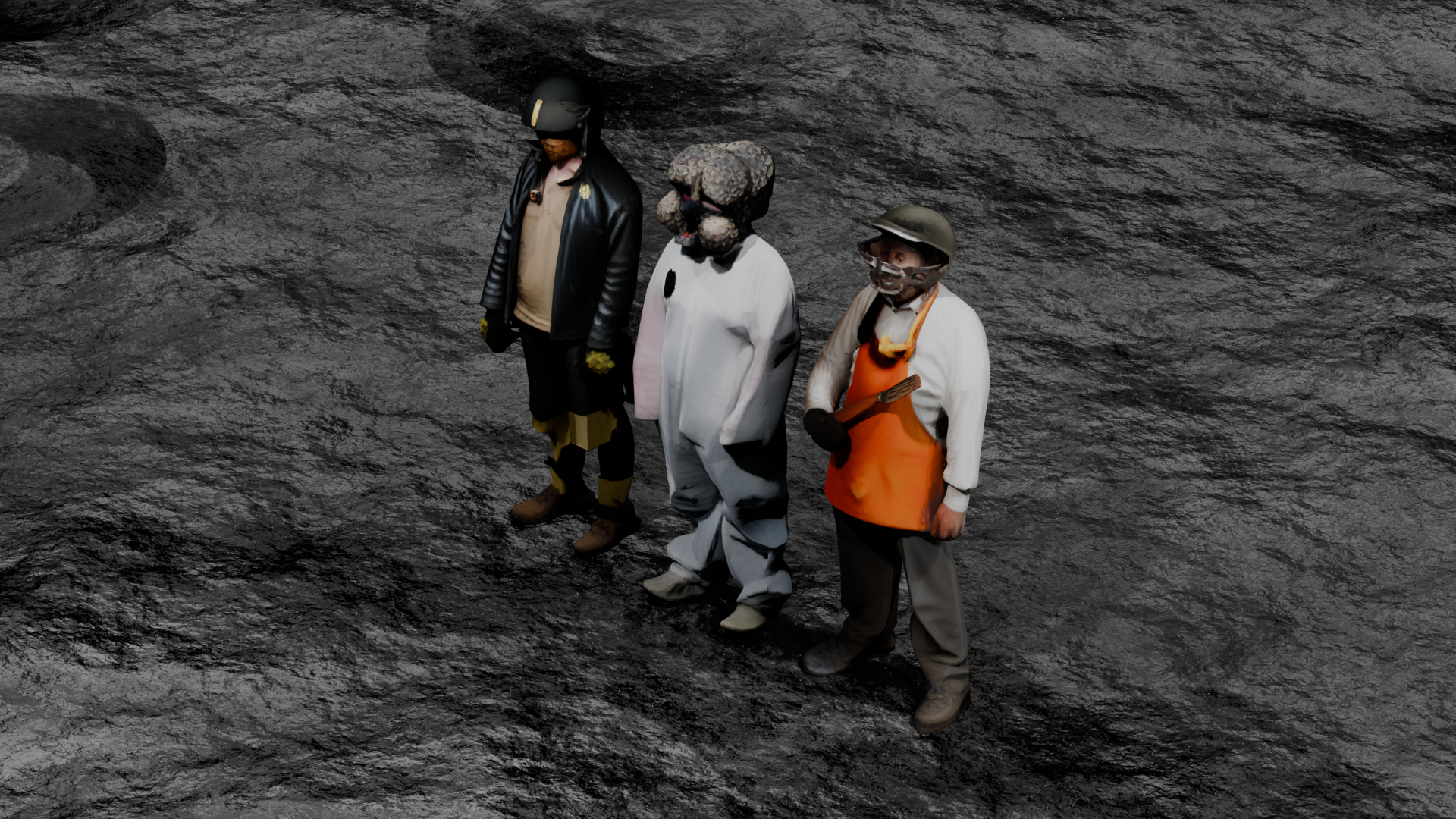
After finishing the models, I exported them as .STL files and brought them into Bambu Studio, which is the slicer software for Bambu Labs 3D printers (but other slicers like Cura would work too).
At around 3.75 inches (93mm) tall (the size of a classic Kenner Star Wars figure), each figure used about 25g of PLA filament and took ~30 mins to print, including supports. For reference, a 1kg roll of PLA costs around $20, so it’s pretty affordable per figure.
Tip: Some public libraries offer free 3D printing access—though you may need to bring your own filament. I had access to GT's makerspaces, so I didn't have to pay :)
After printing:
If I had more time, I would’ve used spray paint to get a smoother finish and help blend the layer lines better, but even with acrylics the results came out as charmingly janky as I wanted them to be.
The process isn’t the fastest, but it’s very doable even under a time crunch. If you have access to a resin printer, you can skip a lot of the sanding and get smoother results, though resin tends to be messier and more expensive.
There are probably faster or more streamlined ways to do this, but this workflow got the job done and it was a fun mix of AI, artistry, and problem-solving. Hope this breakdown helps someone out there!