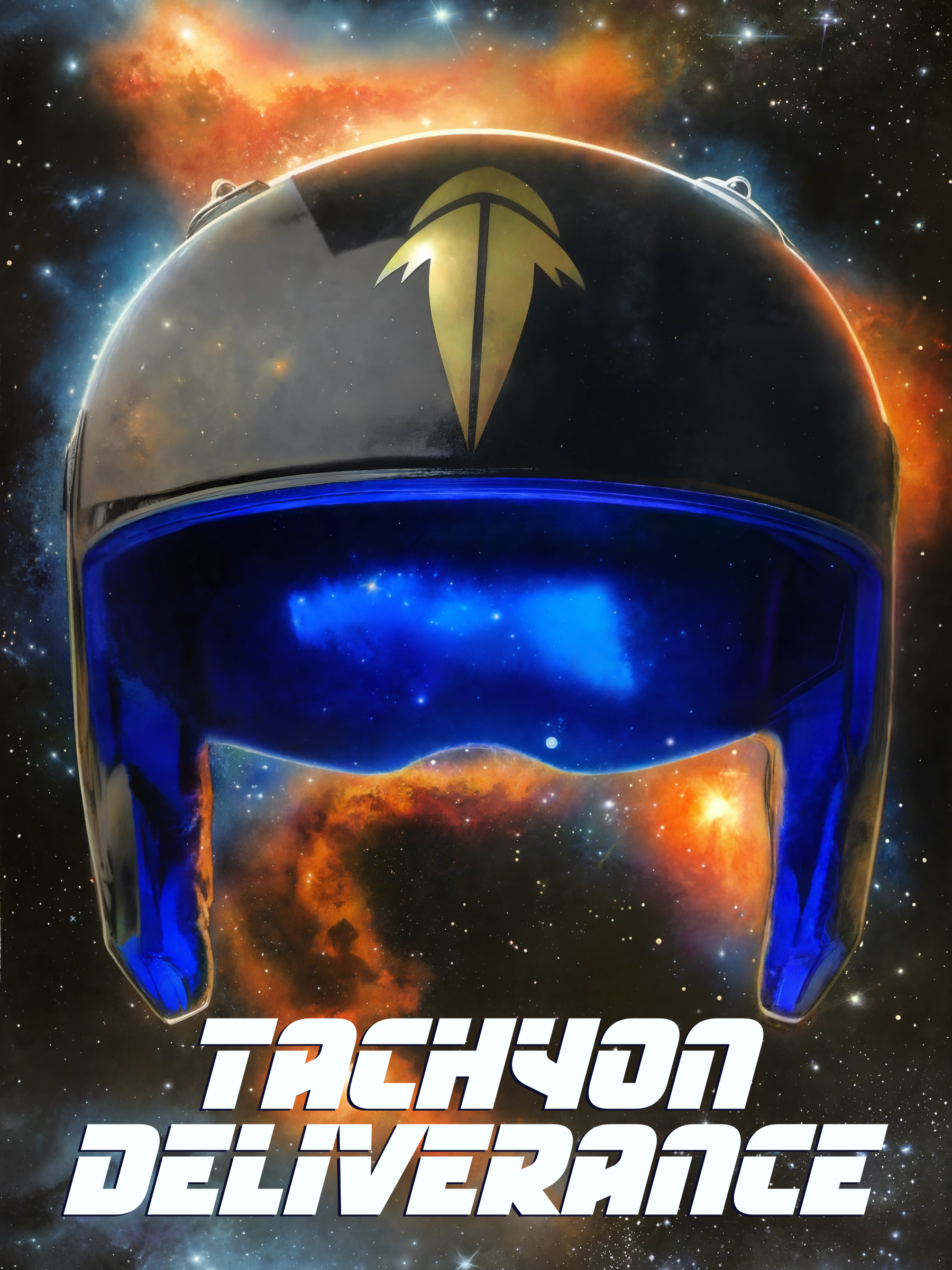
This poster was an experimental kitbash between photography, generative AI, and digital painting. I had only 6 hours before the film's premiere screening at the Plaza Theater and really wanted to give posters to the cast, so I had to use a non-traditional approach. Here's how I pulled it all together with limited time.
I began by taking a photo of Ray Tracing's helmet, isolating it in Photoshop, and placing it against a kitbashed background made from NASA space imagery and some hand-drawn elements.
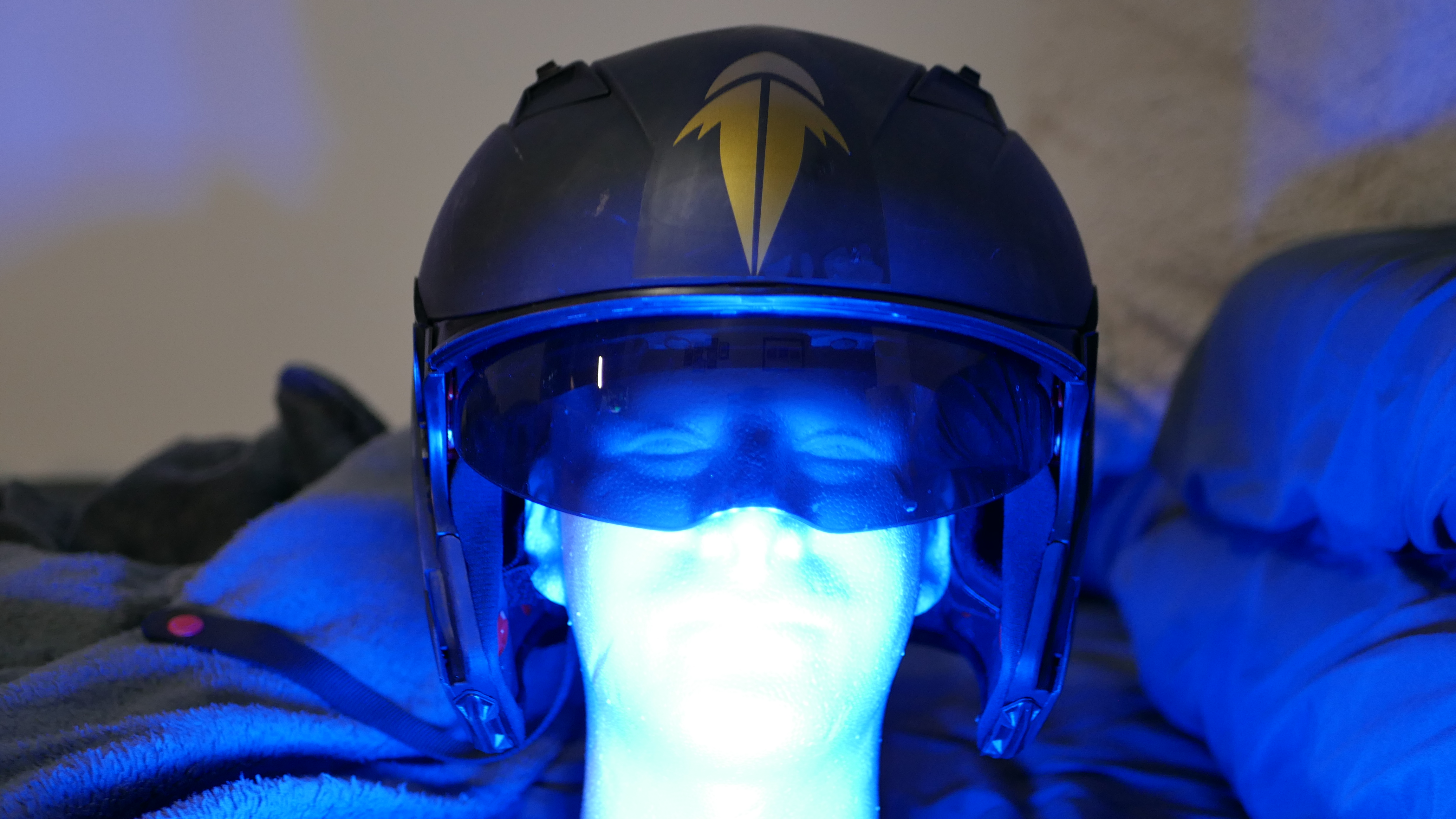
I used Invoke AI, an awesome OSS tool which lets you feed in your real photos and sketches using ControlNets with the open-source SDXL diffusion model. That allowed me to keep the structure of my design while enhancing it with generative details.
I trained a LoRA model on Drew Struzan's artwork (the Star Wars poster artist) and used it on the image. This gave the rough poster a hand-painted look and generated a bunch of cool variations in his style.
Note: Training on his work directly may be legally and ethically questionable, but I am not definitely making money off of this lol
Back in Photoshop, I composited together bits and pieces from several AI-generated variations I liked.
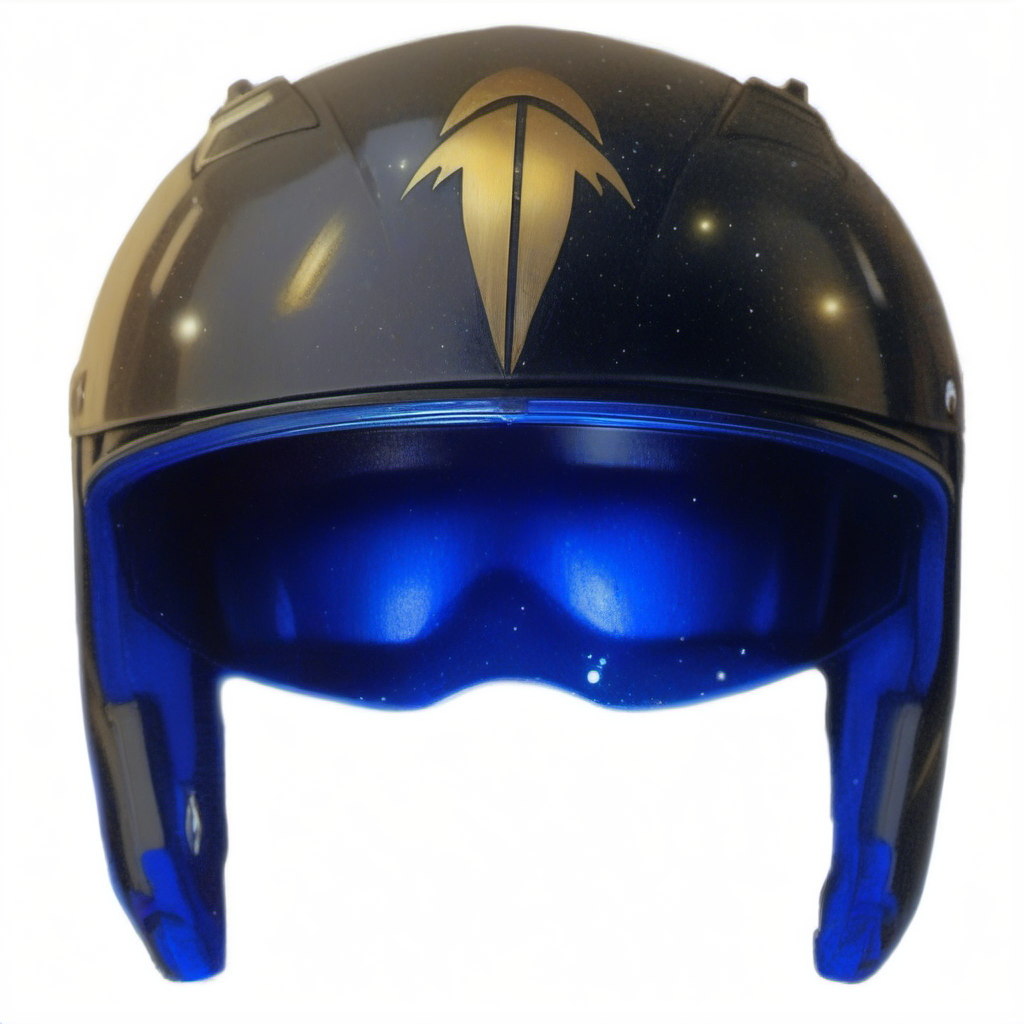
Once I had a composite I was happy with, I brought it back into Invoke to upscale it to full poster resolution.
Finally, I returned to Photoshop/Photopea, hand-painted over the messy AI artifacts, added the title text, and did some final cleanup. And badabing badaboom we had a poster.
I LOVE KITBASHING!! For the 2025 Buzz Studios metal shirt design (viewable on my instagram art page) I used a bunch of isolated photos, then layered grunge and threshold filters over everything to give it the stylized band tee look.
Photopea is a free, browser-based alternative to Photoshop, and it can do basically everything I needed for this poster workflow. Invoke AI is also a great OSS program that actually wants to enhance artists instead of replace them, so I would highly recommend their tool to anyone interested in AI art.
This process was a little janky, a little experimental, but a lot of fun. If you’re short on time or tools, blending real photography, AI generation, and some digital elbow grease can still get you pretty far. Just be ready to improvise.